Rural Environmental Awareness Community Help (REACH)
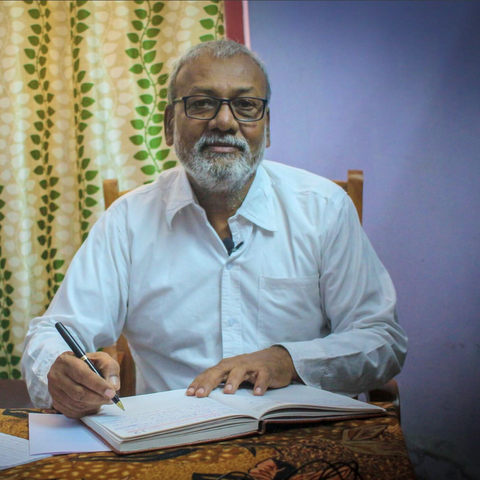
G. N. Simha, Founder
G. N. Simha has spent over four decades working with rural communities, particularly those facing poverty, social exclusion, and limited access to opportunities. Trained in Kannada literature, he completed his M.A. in Kannada and went on to build a life dedicated to social service and community development. His development journey began with VEDS, where he worked for seven years before moving to Harapanahalli Taluk in Ballari district in 1987 under the guidance of GNN Prasad. During this period, he worked closely with village communities and became deeply aware of the challenges faced by families dependent on forests for their livelihoods.
While working in Kumaranahalli and surrounding villages, Simha observed that many families depended on forest produce but often faced harassment and exploitation while collecting it. Women were particularly vulnerable. Seasonal migration for work in coffee plantations was common, disrupting children's education and affecting family life. These realities convinced him that communities needed stronger support systems and greater access to rights, opportunities, and government services.
Encouraged by GNN Prasad, and many other colleagues, he established Rural Environmental Awareness Community Help (REACH) which was formally registered in October 1992 with a focus on reducing exploitation, protecting community rights, improving livelihoods, and helping vulnerable families access government support.
Over the years, REACH worked to strengthen access to MGNREGA, social security schemes, self-help groups. They also played an active role in creating child labour-free villages, promoting food security, supporting Panchayat-level participation, and helping children remain in school. Its programs have included night schools, women's SHGs, Anganwadi support centres, child education programmes, and efforts to prevent school dropouts. REACH has primarily worked with SC/ST communities, women, children, and families below the poverty line.
What began in 25 villages around Kumaranahalli has steadily expanded to more than 600 villages across 16 taluks, with support from Dorabji Tata Trust, Oxfam India, CRY, ActionAid, LANDESA, Childline India Foundation, and several national and international development partners.
Focus Areas
Forest-dependent communities; women's empowerment; child education; food security; government entitlements; self-help groups and bank linkages; SC/ST communities; persons with disabilities; community mobilisation and Panchayat participation.
The Women's Welfare Society (WWS)
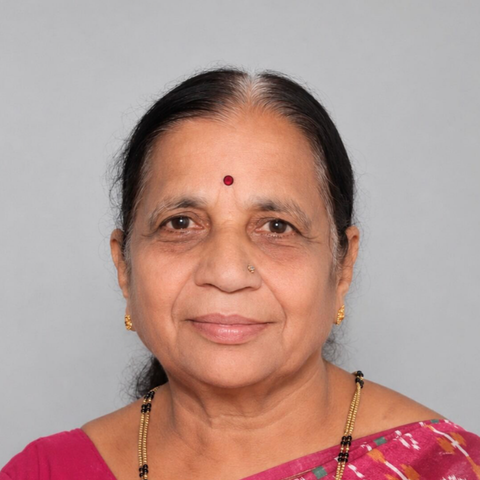
Vaijayanti M. Chougala, Honorary Secretary
Mrs Vaijayanti M. Chougala's life has been shaped by a commitment to education, social justice, and community service. Born and raised in Karaguppi village in Hukkeri taluk of Belagavi district, she was deeply influenced by Gandhian values from an early age. After graduation, she spent five years as a National Service Volunteer with Nehru Yuvak Kendra, Belagavi, where she participated in youth development programmes, rural awareness campaigns, and community service activities.
She later joined Maheshwari School for the Blind in Belagavi as a Craft Teacher. While working, she completed her B.Ed., rose through the institution, and eventually became Principal.
Over a career spanning thirty-five years, she worked for the education, rehabilitation, and empowerment of visually impaired students. Under her leadership, the school was recognised as the "Best School in Karnataka" in 1996.
While working with rural communities, Mrs Chougala witnessed challenges faced by women and children, including poverty, domestic violence, illiteracy, and poor healthcare access. These experiences inspired her to establish The Women's Welfare Society on 2 October 1977, along with like-minded social workers and community members.
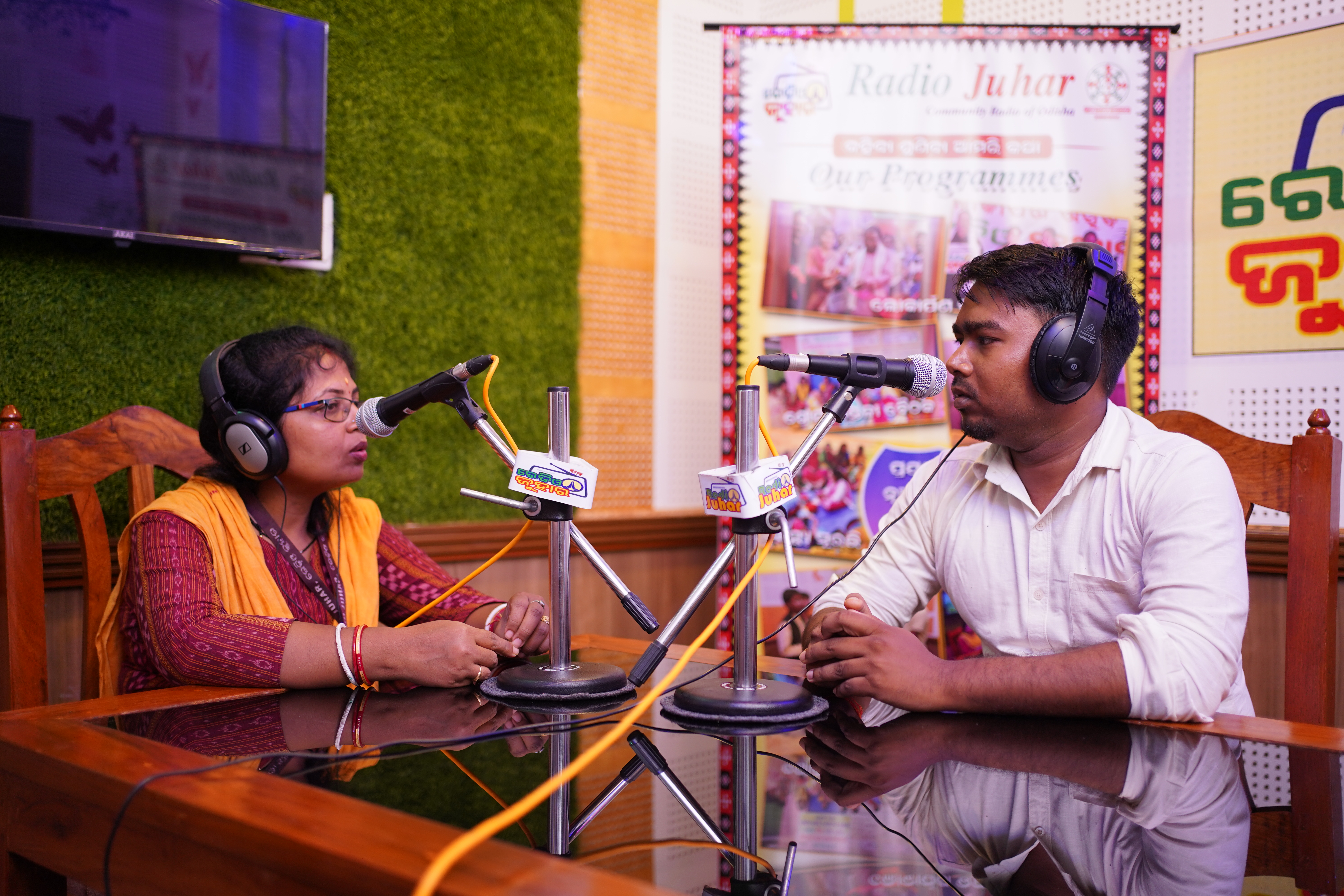
The organisation began in a small rented room in Shahapur, Belagavi, operating a crèche for twenty children. Today, it runs programmes including Santwana Women Helpline, Sangati Family Counselling Centre, Shakti Sadan rehabilitation centres, old-age homes, community radio services, crèches, and health initiatives.
Its programmes have reunited more than 9,200 families through counselling, provided rehabilitation support to over 2,500 women, supported 8,425 children through pre-school education, and reached lakhs of people through health and community radio services.
The organisation has received several honours, including the National Award for Child Welfare (2001) and the Dr Durgabai Deshmukh National Award for Women's Development (2008). Mrs Chougala received the Best Teacher State Award and the Rajiv Gandhi Manav Seva National Award in 2015.
Focus Areas
Women's welfare and empowerment; family counselling; child care and pre-school education; rehabilitation services; health and family welfare; anti-trafficking initiatives; community radio; senior citizen care; livelihood and skill development.